Wearable Electronics for Early Health Detection: What Is Already Available in 2026
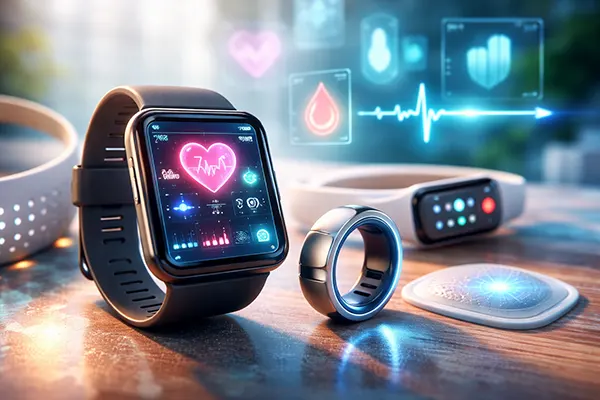
Wearable technology has moved far beyond step counting and calorie tracking. In 2026, devices worn on the wrist, finger, chest or even integrated into clothing can identify early signs of health issues long before symptoms become obvious. This shift is driven by advances in biosensors, artificial intelligence and continuous monitoring, allowing users to better understand their bodies and respond to risks in time.
How modern wearables detect early health problems
Today’s wearable devices rely on a combination of optical sensors, electrical signals and motion tracking to monitor the body in real time. Technologies such as photoplethysmography (PPG) measure blood flow, while electrocardiogram (ECG) sensors track heart activity. These systems are already capable of detecting irregular heart rhythms, including atrial fibrillation, which often goes unnoticed without screening.
Another important area is blood oxygen saturation monitoring (SpO2). While initially popular during the COVID-19 pandemic, this feature remains relevant for identifying respiratory issues, sleep disorders and even early cardiovascular strain. Combined with respiratory rate tracking, wearables can highlight subtle deviations from a user’s baseline.
Temperature sensors have also become more accurate and are now used for continuous skin temperature tracking. This helps detect early signs of infection, inflammation or hormonal changes. When combined with historical data, these signals allow devices to flag anomalies that may require medical attention.
Key biomarkers monitored in consumer devices
Heart rate variability (HRV) is one of the most valuable indicators now widely tracked. It reflects the balance between the sympathetic and parasympathetic nervous systems and can signal stress, fatigue or early illness before other symptoms appear.
Sleep metrics have also improved significantly. Modern wearables can distinguish between sleep stages and detect irregular breathing patterns, offering early warnings for conditions such as sleep apnoea. These insights are based on a combination of movement data and physiological signals.
Another growing area is glucose monitoring. While still more common in medical devices, non-invasive or minimally invasive glucose tracking solutions are becoming more accessible. These tools are especially useful for people at risk of diabetes, helping identify trends rather than isolated readings.
Types of wearable devices available to users today
Smartwatches remain the most popular category, with brands like Apple, Samsung and Garmin integrating advanced health features. Many models now include ECG functionality, irregular rhythm notifications and fitness tracking combined with health insights.
Fitness bands offer a more affordable option while still providing core monitoring features such as heart rate, sleep tracking and activity levels. Although less sophisticated, they are often sufficient for general health awareness and early trend detection.
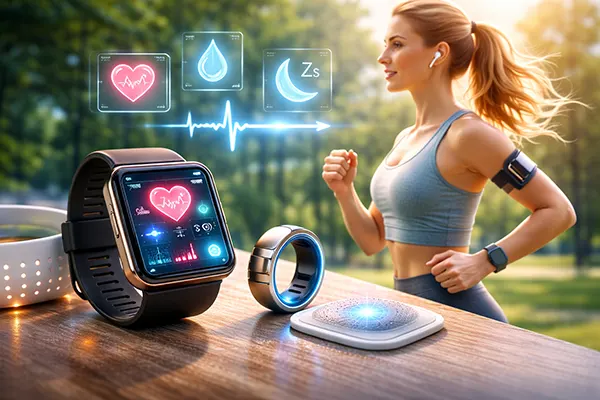
Specialised devices are gaining attention as well. Smart rings, for example, provide highly accurate sleep and recovery data in a compact form. Meanwhile, wearable patches and chest straps are used for more precise cardiovascular monitoring, often recommended for athletes or individuals under medical observation.
Emerging formats and innovations
Smart clothing is an area of rapid development. Embedded sensors in garments can measure muscle activity, posture and breathing patterns, making them useful for rehabilitation and long-term health monitoring.
Another innovation is continuous blood pressure monitoring without traditional cuffs. While still improving in accuracy, these systems use pulse wave analysis to estimate pressure changes throughout the day.
Wearables integrated with AI are becoming more proactive. Instead of simply collecting data, they now provide personalised insights and alerts based on patterns unique to each user. This makes early detection more practical and less dependent on manual interpretation.
Limitations and reliability of wearable health technology
Despite significant progress, wearable devices are not a replacement for professional medical diagnosis. Their readings can be influenced by factors such as movement, skin type or device positioning. As a result, they are best used as screening tools rather than definitive diagnostic instruments.
Data interpretation remains another challenge. While devices can highlight anomalies, understanding their clinical significance often requires medical expertise. False positives can cause unnecessary concern, while false negatives may delay proper evaluation.
Privacy and data security are also critical considerations. Health data collected by wearables is highly sensitive, and users must rely on manufacturers to handle it responsibly. Regulations have improved, but risks still exist, especially when data is shared across multiple services.
How to use wearables effectively for early detection
The most effective approach is to focus on trends rather than isolated readings. Wearables are particularly useful for identifying gradual changes over time, which may indicate developing health issues.
Users should also combine wearable insights with regular medical check-ups. Sharing data with healthcare professionals can improve diagnosis and provide additional context for symptoms or concerns.
Finally, choosing the right device matters. Not all wearables offer the same level of accuracy or features, so selecting a model with clinically validated sensors can make a meaningful difference in reliability.